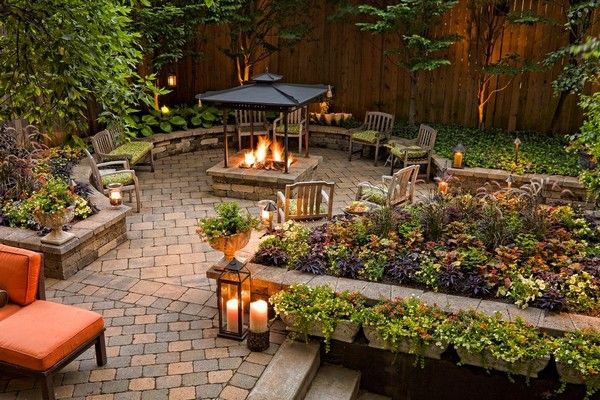
Creating an eco-friendly home is more than just a trend; it’s a meaningful step towards reducing your environmental impact while enhancing your comfort and well-being. Transforming your living space into a sustainable haven not only helps conserve natural resources but can also lower utility bills and improve indoor air quality. Whether you’re starting from scratch or updating your current home, there are innovative ways to embrace eco-conscious living without compromising style or convenience. In this article, we’ll explore 10 actionable strategies to help you build or renovate an eco-friendly home that aligns with your values and lifestyle.
1. How Can You Make Energy Efficiency a Priority?
Energy efficiency is the cornerstone of an eco-friendly home. Start by upgrading to LED lighting, which uses up to 75% less energy than traditional bulbs and lasts significantly longer. Consider installing a smart thermostat to optimize heating and cooling; studies show these devices can reduce energy consumption by 10-12% annually.
Next, improve insulation in walls, attics, and floors to maintain indoor temperatures and reduce reliance on HVAC systems. Sealing leaks around windows and doors with weatherstripping can prevent drafts, cutting energy waste by 5 to 10%. Investing in energy-efficient appliances labeled with ENERGY STAR certification further minimizes electricity use.
2. What Role Do Sustainable Materials Play in Your Home?
Choosing sustainable building materials is a key step toward an eco-friendly home. Use bamboo flooring or reclaimed wood instead of traditional hardwoods, as bamboo grows rapidly and reclaimed wood reduces deforestation. For insulation, consider natural options like sheep’s wool or recycled denim, which have lower environmental footprints than synthetic materials.
When painting, opt for low-VOC or zero-VOC paints to improve indoor air quality and reduce toxic emissions. Countertops made from recycled glass or sustainably sourced stone also add eco-conscious charm to kitchens and bathrooms.
3. How Does Water Conservation Fit Into Sustainable Living?
Water-saving measures can significantly reduce your household’s water footprint. Installing low-flow faucets, showerheads, and toilets can cut water usage by up to 30%. Collecting rainwater using barrels or cisterns offers an innovative way to irrigate your garden without tapping into municipal water.
Additionally, consider xeriscaping—landscaping designed to minimize water use—by planting native, drought-resistant vegetation. This approach not only conserves water but also supports local biodiversity.
4. Can Renewable Energy Sources Power Your Home?
Integrating renewable energy is among the most impactful ways to make your home eco-friendly. Solar panels have become more affordable and efficient, with many systems paying for themselves within 5 to 10 years through energy savings and incentives. Depending on your location, small wind turbines or geothermal heat pumps might also be viable alternatives.
Pairing renewable systems with home energy storage batteries can maximize self-consumption and provide backup power during outages, enhancing both sustainability and resilience.
5. What Smart Technologies Support Eco-Friendly Living?
Smart home technologies enable you to monitor and control energy and water use effortlessly. Automated lighting systems that adjust based on occupancy and natural light can reduce unnecessary electricity consumption. Smart irrigation controllers, which adjust watering schedules based on weather data, typically save 20-40% of outdoor water use.
Moreover, real-time energy consumption displays encourage conscious habits, making it easier to identify and eliminate waste.
6. How to Improve Indoor Air Quality Naturally?
Creating a healthy indoor environment is essential in an eco-friendly home. Use houseplants like spider plants, snake plants, and peace lilies, known to filter common indoor pollutants. Ensure proper ventilation through energy recovery ventilators (ERVs) which bring in fresh air while retaining heat.

Avoid synthetic carpets and heavy drapes that trap dust and allergens, opting instead for natural fibers and easy-to-clean surfaces.
7. How Can You Reduce Waste in Your Household?
Minimizing waste is crucial for sustainability. Set up a comprehensive recycling and composting system to divert organic and recyclable materials from landfills. Composting kitchen scraps can reduce waste by up to 30% and provides nutrient-rich soil for your garden.
When renovating, donate or repurpose surplus materials instead of discarding them. Buying products with minimal packaging and favoring reusable items further reduce waste generation.
8. What Are the Benefits of Passive Solar Design?
Passive solar design harnesses natural sunlight to heat and light your home, reducing energy demand. This includes strategic window placement, using south-facing windows to maximize winter sun exposure while shading them in summer to prevent overheating.
Thermal mass materials, such as concrete or stone floors, absorb and slowly release heat, stabilizing indoor temperatures. Simple measures like installing insulated curtains can enhance this effect, contributing to year-round comfort.
9. How Can Landscaping Enhance Sustainability?
Thoughtful landscaping contributes significantly to your eco-friendly home. Planting shade trees near windows can cut cooling costs by up to 25% during hot months. Incorporate rain gardens to manage stormwater runoff, reducing erosion and replenishing groundwater.
Using organic mulch conserves soil moisture and suppresses weeds, reducing the need for chemical herbicides. Additionally, growing your own herbs and vegetables can decrease your carbon footprint associated with food transportation.
10. What Practical Steps Support Long-Term Sustainable Habits?
Beyond structural changes, fostering sustainable habits ensures lasting impact. Conduct regular energy audits to identify inefficiencies, and maintain appliances for optimal performance. Educate household members about conservation practices such as turning off lights when not in use and reducing water waste.
Join local green initiatives or community gardening projects to stay motivated and share resources. Small lifestyle adjustments complement eco-friendly home improvements and create a holistic approach to sustainability.
Summary and Next Steps
Transforming your living space into an eco-friendly home is a rewarding journey that benefits both the planet and your quality of life. From energy efficiency and water conservation to smart technologies and sustainable landscaping, each step contributes to a healthier, more resilient household. By thoughtfully incorporating these 10 innovative strategies, you can create a home that reflects your commitment to environmental stewardship without sacrificing comfort or style.
Ready to start? Begin with one or two manageable changes—like upgrading to LED lighting or installing a smart thermostat—and gradually expand your efforts. Remember, every eco-conscious choice counts. Embrace the transformation today and inspire others by sharing your sustainable living experience!

Signs of a Controlling Partner in Your Relationship

Building Trust in Relationships: Proven Strategies for Lasting Bonds

Modern Dating: Building Meaningful Digital Connections

Sustaining Long-Term Relationships: Essential Strategies

Navigating Romantic Relationships: Lasting Connection Strategies
Innovative Storage Ideas for a Clutter-Free Home and Garden
The Art of Decluttering: Turn Your Home into a Serene Sanctuary

10 Inspiring DIY Home Projects for Every Skill Level

10 Innovative Ways to Create an Eco-Friendly Home