
In today’s fast-paced world, our homes often become a reflection of our busy lives—cluttered, chaotic, and overwhelming. The art of decluttering is more than just tidying up; it’s about transforming your living space into a sanctuary of serenity where peace and clarity prevail. By embracing decluttering, you can create an environment that nurtures well-being, enhances focus, and brings a fresh sense of calm. This article explores practical strategies and insightful perspectives to guide you on a journey toward a harmonious home.
Why Does Decluttering Matter?
Decluttering isn’t simply about aesthetics. It directly impacts mental health, productivity, and quality of life. Studies show that a cluttered environment can increase stress levels and reduce the ability to focus by up to 40%. When your home is organized and free from unnecessary items, it becomes easier to relax and recharge. Furthermore, decluttering helps you appreciate what you have, reduces decision fatigue, and encourages mindful consumption.
What Makes a Home a Sanctuary?
A sanctuary is a place of refuge and tranquility. To achieve this at home, spaces must promote comfort and order. Decluttering plays a key role by eliminating distractions and visual noise. When each item has a purpose and place, your environment becomes inviting and restorative. Whether it’s a cozy reading nook, a calm bedroom, or a streamlined kitchen, decluttering allows the true beauty of your home to shine through.
How to Start the Decluttering Process
Getting started can be the hardest part, but breaking down the task into manageable steps makes it achievable. Here’s a practical roadmap:
- Set clear goals: Define what serenity means for your space. Do you want more room to entertain, a peaceful bedroom, or a minimalist living area?
- Choose one area at a time: Focus on a single room or category (clothes, books, kitchen gadgets) to avoid overwhelm.
- Sort items into categories: Keep, donate, recycle, or discard. Be honest about what you truly need or cherish.
- Use the “Four-Box Method”: Label boxes as “Keep,” “Donate,” “Sell,” and “Trash” to streamline decision-making.
- Set a timer: Work in focused intervals of 20-30 minutes to maintain energy and momentum.
What Are Some Common Decluttering Challenges and How to Overcome Them?
Many people struggle with letting go of belongings due to sentimental attachment or fear of waste. Here are some tips to overcome these hurdles:
- Sentimental items: Take photos of items before donating them to preserve memories without physical clutter.
- Guilt about waste: Remember that passing items on to others or recycling them gives them a new life.
- Decision fatigue: Limit daily decluttering sessions to prevent burnout and keep decisions manageable.
- Family involvement: Encourage everyone in the household to participate and respect shared spaces.
Practical Tips for Maintaining a Clutter-Free Home
Decluttering is an ongoing process. Once you’ve created your sanctuary, maintaining it requires consistent habits:
- Adopt the “One In, One Out” rule: For every new item brought in, remove an old one.
- Designate drop zones: Have specific spots for keys, mail, and daily essentials to reduce random clutter.
- Schedule regular mini-decluttering sessions: Spend 10 minutes weekly tidying a small area.
- Use smart storage solutions: Clear bins, drawer dividers, and labeled containers keep things organized and visible.
- Digital decluttering: Don’t forget to organize digital files and emails to reduce cognitive clutter.
How Can Decluttering Impact Your Lifestyle Beyond the Home?
When your living space is orderly and serene, it often influences other aspects of life. People report better sleep, improved focus at work, and a more positive mindset. Decluttering also encourages sustainable living by promoting mindful purchasing decisions. Additionally, it can foster stronger relationships as shared spaces become more welcoming and less stressful.
Example: A Mini-Case Study in Decluttering Success
Consider Sarah, a working mother of two, who felt overwhelmed by the constant mess in her home. She began decluttering by tackling her kitchen cabinets one weekend. Using the four-box method, she donated 30% of unused utensils and expired pantry items. Within three months, she extended the process to her children’s rooms and living area. By maintaining a weekly 15-minute tidy-up routine, Sarah transformed her home into a calm environment where her family could relax and connect. Her stress levels decreased, and she found more enjoyment in daily routines.
Decluttering Checklist: Your Path to Serenity
| Step | Action | Timeframe | Tip |
|---|---|---|---|
| 1 | Set decluttering goals | Day 1 | Write goals down to stay motivated |
| 2 | Choose a room or category | Day 2 | Start with easiest area to build momentum |
| 3 | Sort items using four-box method | 1–3 days per area | Be honest about usefulness |
| 4 | Dispose and donate items | Within a week of sorting | Schedule pick-up or drop-off |
| 5 | Implement storage solutions | After decluttering | Use clear labels and containers |
| 6 | Maintain with weekly mini sessions | Ongoing | Set reminders to stay consistent |
Conclusion: Embrace the Art of Decluttering Today
Transforming your home into a sanctuary of serenity through decluttering is a rewarding journey that combines practical action with mindful living. By clearing physical space, you also create mental space for relaxation, creativity, and connection. Start small, stay consistent, and watch how your home evolves into a calming retreat that supports your well-being.
Ready to reclaim your space? Begin your decluttering journey today by choosing one area to tackle. Remember, every item you release brings you one step closer to a peaceful, organized home. Your sanctuary awaits.

Signs of a Controlling Partner in Your Relationship

Building Trust in Relationships: Proven Strategies for Lasting Bonds

Modern Dating: Building Meaningful Digital Connections

Sustaining Long-Term Relationships: Essential Strategies

Navigating Romantic Relationships: Lasting Connection Strategies
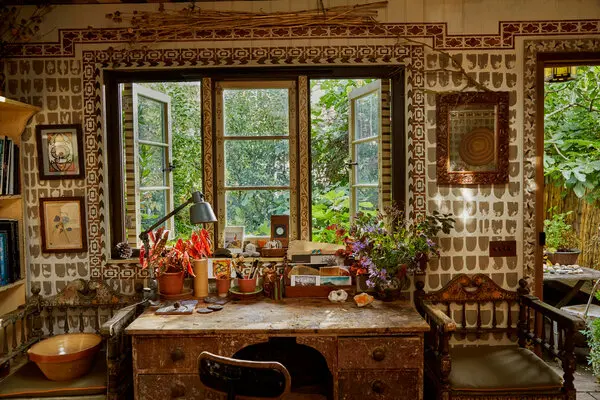
Innovative Storage Ideas for a Clutter-Free Home and Garden
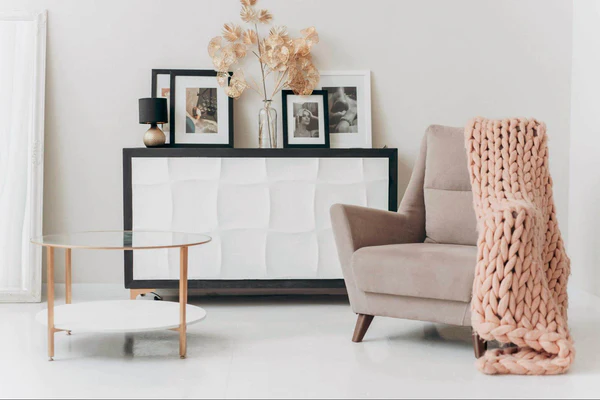
The Art of Decluttering: Turn Your Home into a Serene Sanctuary

10 Inspiring DIY Home Projects for Every Skill Level

10 Innovative Ways to Create an Eco-Friendly Home